The anterior cruciate ligament (ACL) is one of the most talked-about ligaments in the human body, largely because it’s also one of the most frequently injured — especially among athletes. A sudden pop, a sharp pain, and the unnerving sensation of your knee giving way can signal a tear. Understanding what leads to these injuries is the first step toward preventing them.
This guide explores the most common causes of ACL injuries, from the biomechanics of high-risk movements to the environmental and anatomical factors that can increase your susceptibility — and how targeted physical therapy plays a crucial role in both recovery and prevention.
- ACL injuries most often come from non-contact movements — sudden stops, pivots, or awkward landings that put huge stress on the knee.
- Muscle imbalances (especially weak hamstrings and glutes), poor movement patterns, and anatomy can all raise your risk of a tear.
- A dedicated physical therapist can guide you through ACL rehab in Freehold, NJ with a personalized program that restores strength, stability, and confidence in your knee.
What is the ACL and what does it do?
The anterior cruciate ligament is a tough band of tissue that connects your thighbone (femur) to your shinbone (tibia). It runs diagonally through the middle of your knee and plays a critical role in stabilizing the joint. Its primary functions:
- Preventing forward movement of the tibia: it stops your shinbone from sliding too far forward in relation to your thighbone.
- Providing rotational stability: it limits the amount of twisting or rotation at the knee joint.
Essentially, the ACL acts like a strong rope keeping the knee joint secure through a wide range of movements. When that “rope” is stretched beyond its limit, it can tear. These injuries are graded from I to III — a Grade I is a mild sprain, a Grade III is a complete tear of the ligament.
The most common causes of ACL tears
Interestingly, studies show that about 70% of ACL injuries are non-contact — they occur without a direct blow to the knee. The remaining 30% result from direct contact, such as a tackle in football or a collision in soccer.
1. High-risk movements and biomechanics
The majority of ACL tears happen during specific athletic maneuvers that combine deceleration, rotation, and changes in direction.
- Sudden stops (deceleration): stopping abruptly at high speed creates a powerful forward force on the tibia. If the force is too great, the ligament can snap.
- Pivoting or cutting: quickly changing direction with your foot planted puts major rotational stress on the knee — common in basketball, soccer, and tennis.
- Awkward landings from a jump: landing with the knee extended or collapsing inward (valgus collapse) places the ACL under extreme tension — frequent in volleyball and gymnastics.
- Hyperextension: if the knee is forced backward beyond its normal range — a straight-leg landing, or a caught foot while the body keeps moving — the ACL can be stretched to its breaking point.
2. Muscle imbalances and weakness
The muscles surrounding the knee, hip, and core protect the ACL. When they’re weak or imbalanced, the joint is left vulnerable.
- Weak hamstrings: the hamstrings work with the ACL to stop the tibia sliding forward. When the quads overpower them — “quad dominance” — the ACL absorbs the difference during deceleration.
- Weak gluteal muscles: the gluteus medius stabilizes the pelvis and keeps the knee from collapsing inward. Weak glutes mean poor lower-body alignment when squatting, lunging, and landing.
- Poor core stability: a weak core forces the lower body to compensate with inefficient, unsafe movement patterns instead of distributing forces evenly.
At EVO Health + Performance, our Freehold NJ physical therapy team emphasizes strengthening these key muscle groups as a cornerstone of both ACL injury prevention and rehabilitation.
3. Anatomical and hormonal factors
- Sex differences: female athletes are two to eight times more likely to tear their ACL than male counterparts in the same sports — a mix of anatomy (wider pelvis, smaller intercondylar notch), hormonal fluctuations affecting ligament laxity, and neuromuscular control patterns.
- Knee alignment: a natural “knock-kneed” (valgus) alignment or hyperextended knees already place some strain on the ACL.
- Previous ACL injury: a history of an ACL tear — even after successful reconstruction and rehab — raises the risk of a future tear in either knee. Long-term maintenance matters.
4. Environmental and external factors
- Playing surface: high-friction surfaces like artificial turf or dry grass can make a shoe “stick” during a pivot, increasing rotational force on the knee.
- Footwear: cleats or shoes with too much grip can stop the foot rotating naturally, transferring that force up to the knee.
- Fatigue: when athletes tire, neuromuscular control deteriorates — reaction times slow and mechanics get sloppy. Many ACL tears happen late in a game or practice for exactly this reason.
How physical therapy can help
Whether you’re looking to prevent an ACL injury or are on the road to recovery, a Freehold physical therapist is your most valuable asset. At EVO Health + Performance, our approach to ACL rehab is comprehensive and personalized.
For prevention
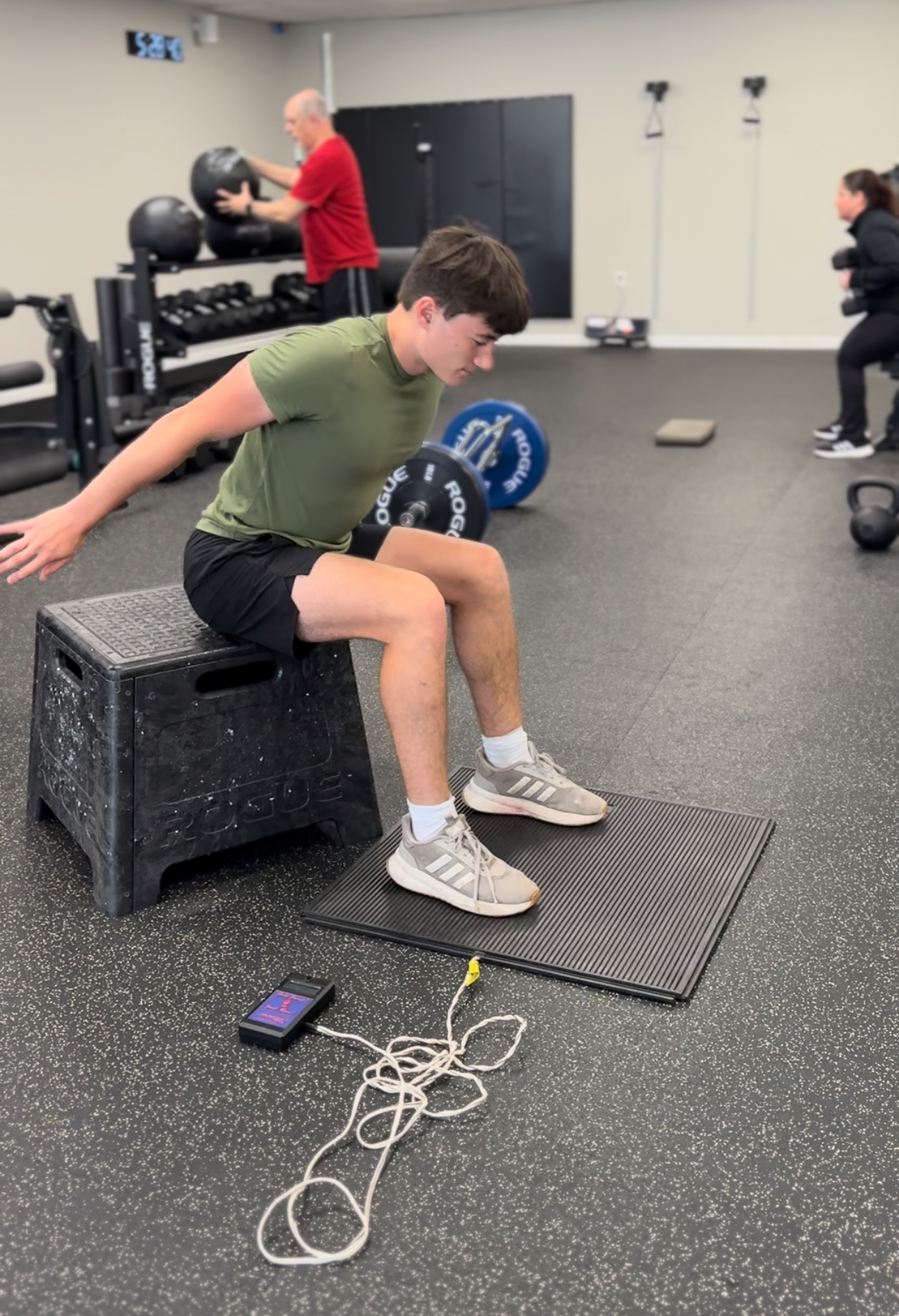
A movement screen identifies biomechanical flaws, muscle imbalances, or mobility deficits that put you at risk. From there, a targeted program includes:
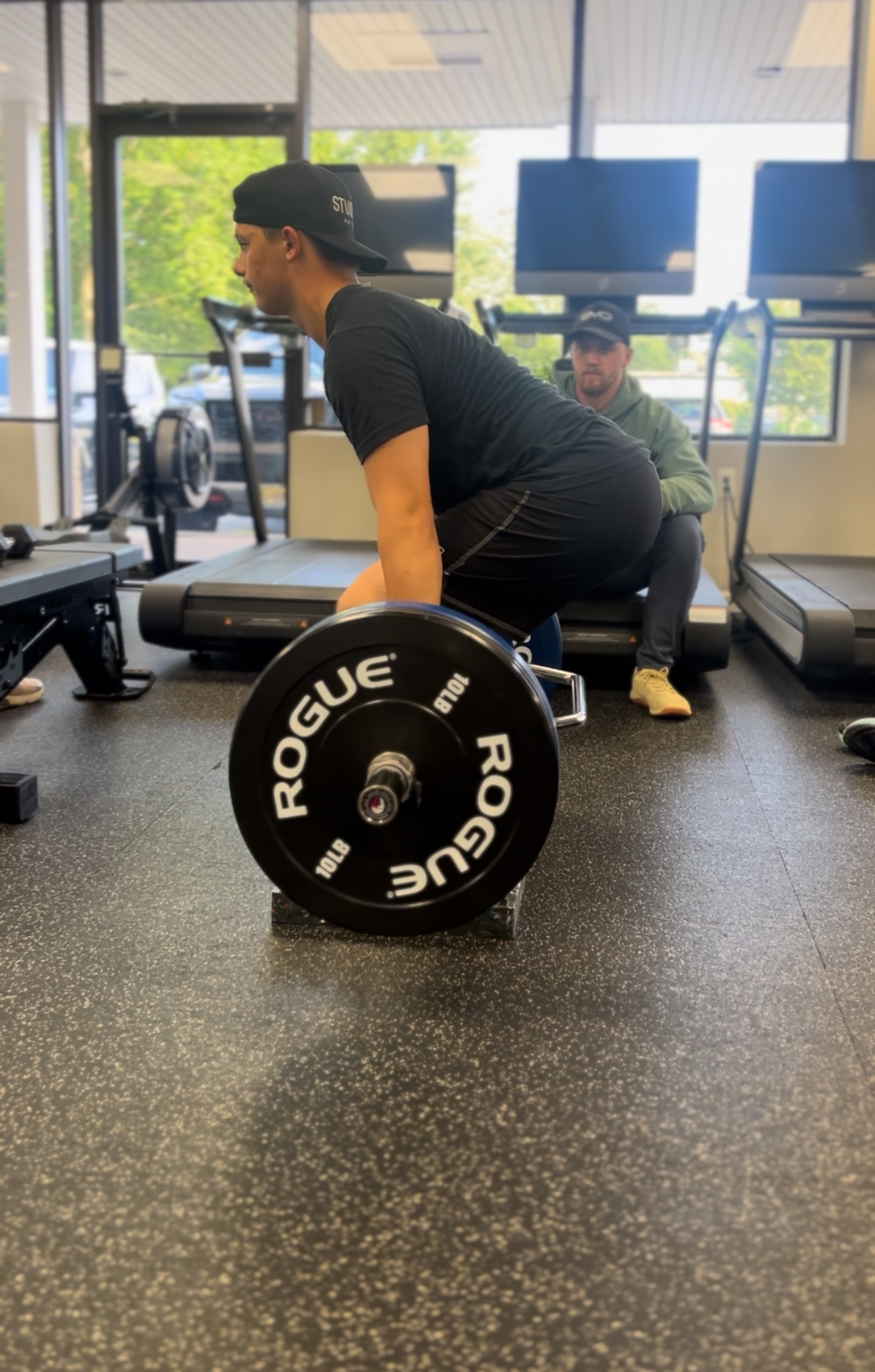
- Strength training for the hamstrings, glutes, and core to create a stable support system for the knee.
- Plyometrics to teach proper jumping and landing technique so impact is absorbed safely.
- Neuromuscular training to improve balance, agility, and coordination so your body reacts more efficiently during sports.
For rehabilitation
If you’ve already sustained an ACL injury, physical therapy is critical to a successful recovery — whether you have surgery or take a non-surgical route. The goals:
- Restoring range of motion — gently regaining full flexion and extension in the knee.
- Reducing swelling and pain with modalities and manual therapy.
- Rebuilding strength progressively through the whole lower body.
- Improving balance and proprioception — retraining the knee’s sense of position in space.
- A safe return to sport — a structured, criteria-based progression that ensures you’re fully ready without an elevated risk of re-injury.
Whether you’re protecting healthy knees or rebuilding after an injury, a 15-minute conversation is the easiest way to find out where you stand.
Book a Free Discovery Call →Your next steps for a healthier knee
Understanding the causes of ACL injuries is the first step toward taking control of your knee health. By recognizing high-risk movements, addressing muscle imbalances, and being mindful of your body’s limits, you can significantly reduce your chances of this debilitating injury.
If you’re an athlete in the Freehold area looking to build a more resilient body — or currently dealing with a knee injury — don’t leave your recovery to chance. Contact us to schedule an evaluation and learn how a personalized approach to physical therapy can help you prevent injuries and reach your performance goals.