Every year, athletes across sports face a troubling pattern. As teams gear up for the season, ACL injuries spike. Preseason and the opening weeks of competition see more torn ligaments than any other time of year. For athletes, coaches, and medical professionals, understanding why this happens is crucial to prevention.
The anterior cruciate ligament (ACL) stabilizes the knee during cutting, jumping, and sudden changes in direction. When it tears, athletes face months of recovery. While ACL injuries can happen anytime, research consistently shows they cluster during specific periods — particularly preseason training and the first few weeks of regular competition.
This pattern isn’t coincidental. Several interconnected factors create a perfect storm of injury risk during these early weeks. If you’re an athlete returning to sport or a coach planning preseason training, understanding these risk factors can help protect your team.
- Training load spikes without adequate preparation create a mismatch between what athletes’ bodies can handle and what’s being demanded of them, increasing injury risk dramatically.
- Neuromuscular control deteriorates during the off-season, leaving athletes unable to properly stabilize their knees during high-risk movements until they rebuild those protective patterns.
- Fatigue compounds poor movement mechanics, making the final practices of preseason and the demanding early-season schedule particularly dangerous for ACL tears.
The training load problem
Athletes often arrive at preseason after weeks or months of reduced activity. Even those who stayed active during the off-season rarely maintain the intensity and volume required for competitive sport. When preseason begins, training loads jump dramatically and quickly.
This sudden increase creates what sports scientists call an acute-to-chronic workload ratio imbalance. In simpler terms, the body hasn’t had time to adapt to the new demands. Tendons, ligaments, muscles, and even bones need gradual exposure to stress to strengthen. Without this progressive buildup, tissues become vulnerable.
The ACL is particularly susceptible because it experiences enormous forces during sport-specific movements — cutting, pivoting, landing from jumps, sudden deceleration. When athletes perform these movements repeatedly during intense preseason training without adequate preparation, the ACL can fail.
Research supports this connection: studies tracking training loads and injury rates consistently show that rapid workload spikes — especially when athletes exceed their recent training history by more than 10–15% — significantly increase injury risk. Preseason represents one of the largest training load increases of the entire year.
Neuromuscular control and movement quality
Strong muscles alone don’t protect the ACL. How those muscles fire, when they activate, and how they coordinate matters enormously. This system of muscle activation patterns is called neuromuscular control, and it deteriorates remarkably fast during periods of reduced activity.
During the off-season, athletes lose the sharp neuromuscular patterns that protect their knees. Even a few weeks away from sport-specific training can degrade them. When preseason begins, athletes may have adequate strength, but their bodies haven’t relearned how to use it effectively during high-risk movements.
Consider a basketball player landing from a jump. Proper neuromuscular control means the glutes, hamstrings, and quadriceps activate in precise timing and proportion to absorb force, control knee position, and prevent dangerous valgus collapse (knee caving inward). Without regular practice, the timing gets sloppy — the knee drifts inward, the trunk leans too far forward, or the landing occurs on a straight leg. All dramatically increase ACL loading.
The first few weeks of preseason rarely provide enough time to fully restore these protective patterns — especially with high training volumes and accumulated fatigue layered on top. Athletes are performing high-risk movements with degraded neuromuscular control. A recipe for injury.
The fatigue factor
Fatigue changes everything about how athletes move. As muscles tire, movement quality deteriorates: athletes land harder, cut less efficiently, and lose the precise control that protects their knees.
Preseason is inherently fatiguing. Teams often schedule multiple practices per day with limited recovery between sessions. Athletes deal not only with physical fatigue but the cognitive demands of learning new systems, plays, and strategies — and mental fatigue affects movement quality just as much as physical exhaustion.
Motion-analysis research shows fatigued athletes demonstrate significantly different landing mechanics: knee valgus increases, hip and knee flexion decrease, and ground reaction forces become larger and more abrupt. The timing matters too — ACL injuries often occur late in practice sessions or during the final days of preseason camps when accumulated fatigue is highest.
Insufficient strength and conditioning base
Many athletes arrive at preseason without an adequate baseline. General fitness doesn’t equal sport-specific readiness. The specific qualities that protect the ACL — hamstring strength, hip abductor and external rotator strength, and eccentric capacity — require targeted training.
The hamstrings counteract anterior tibial translation (the forward slide of the shin that stresses the ACL). A low hamstring-to-quadriceps strength ratio significantly increases risk — and many athletes, especially females, naturally run low and benefit from targeted hamstring work.
Hip strength matters enormously too. Weak hip abductors and external rotators allow the femur to rotate internally and adduct, creating the dangerous knee-valgus position associated with ACL injuries.
Eccentric strength — controlling lengthening muscle contractions — may be most important of all. Landing and deceleration are eccentric-dominant. Without adequate eccentric conditioning, the ACL bears more of the load. Preseason rarely provides enough time to develop these qualities from scratch; they require year-round focus.
Previous injury and return to sport
Athletes returning from previous injuries — especially prior ACL reconstruction — face elevated reinjury risk during preseason. The initial months back represent a particularly vulnerable period, and many athletes return to full competition exactly then.
Return to sport requires more than healed tissue: restored strength, power, movement quality, and psychological readiness. Many athletes clear standard return-to-sport testing yet still lack the robust capacities needed to handle preseason demands safely.
The contralateral (opposite) leg also faces increased risk — compensatory movement patterns and asymmetries can overload the “good” side. And even athletes returning from ankle sprains, hamstring strains, or hip problems may carry altered movement patterns that increase ACL loading; dysfunction anywhere in the kinetic chain affects knee mechanics.
Environmental and playing surface factors
Preseason often occurs in different conditions than the regular season. High temperatures and humidity increase fatigue rates and may impair neuromuscular function; dehydration affects muscle function and reaction time. Many camps occur during the hottest parts of summer.
Playing surfaces matter as well. High-traction surfaces that prevent foot slippage can increase ACL loading during cutting and pivoting — too much traction locks the foot in place and forces rotation through the knee joint instead. Surface transitions (practice field to competition surface) add another adaptation demand.
The competitive intensity surge
Preseason scrimmages and opening games bring intensity that practice can’t replicate. Athletes push harder, move faster, and take more risks against opponents — at a time when conditioning and neuromuscular control may not be fully developed.
Game situations create unpredictable movements and defensive pressure. An opponent’s unexpected move forces rapid reactions with no time for conscious control; athletes rely entirely on trained patterns. If those patterns aren’t refined, dangerous knee positions occur.
Psychology plays in, too. Athletes who fear reinjury may move protectively in ways that ironically increase risk, while athletes who feel invincible may push beyond their physical readiness.
Prevention strategies that work
Understanding why ACL injuries cluster during preseason points directly at prevention. The most successful programs address multiple risk factors simultaneously.
- Progressive training progressions: gradually increasing volume and intensity over weeks rather than days lets tissues adapt and neuromuscular patterns develop safely — with adequate rest built in, because adaptation happens during recovery.
- Neuromuscular training programs: plyometrics, balance work, strength training, and movement technique reduce ACL injury rates by 50% or more in some studies. The key is consistency — year-round, not crammed into a few preseason sessions.
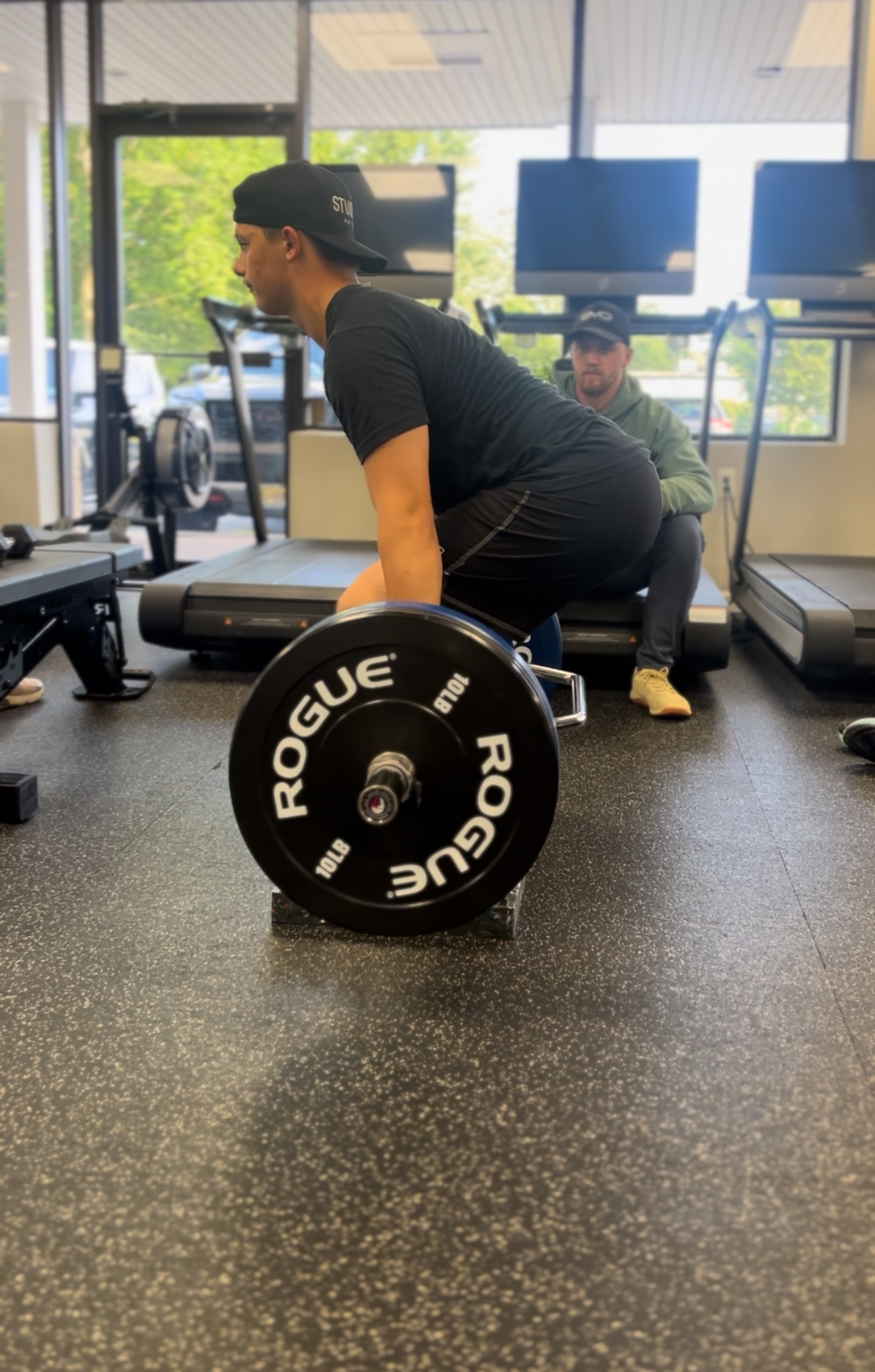
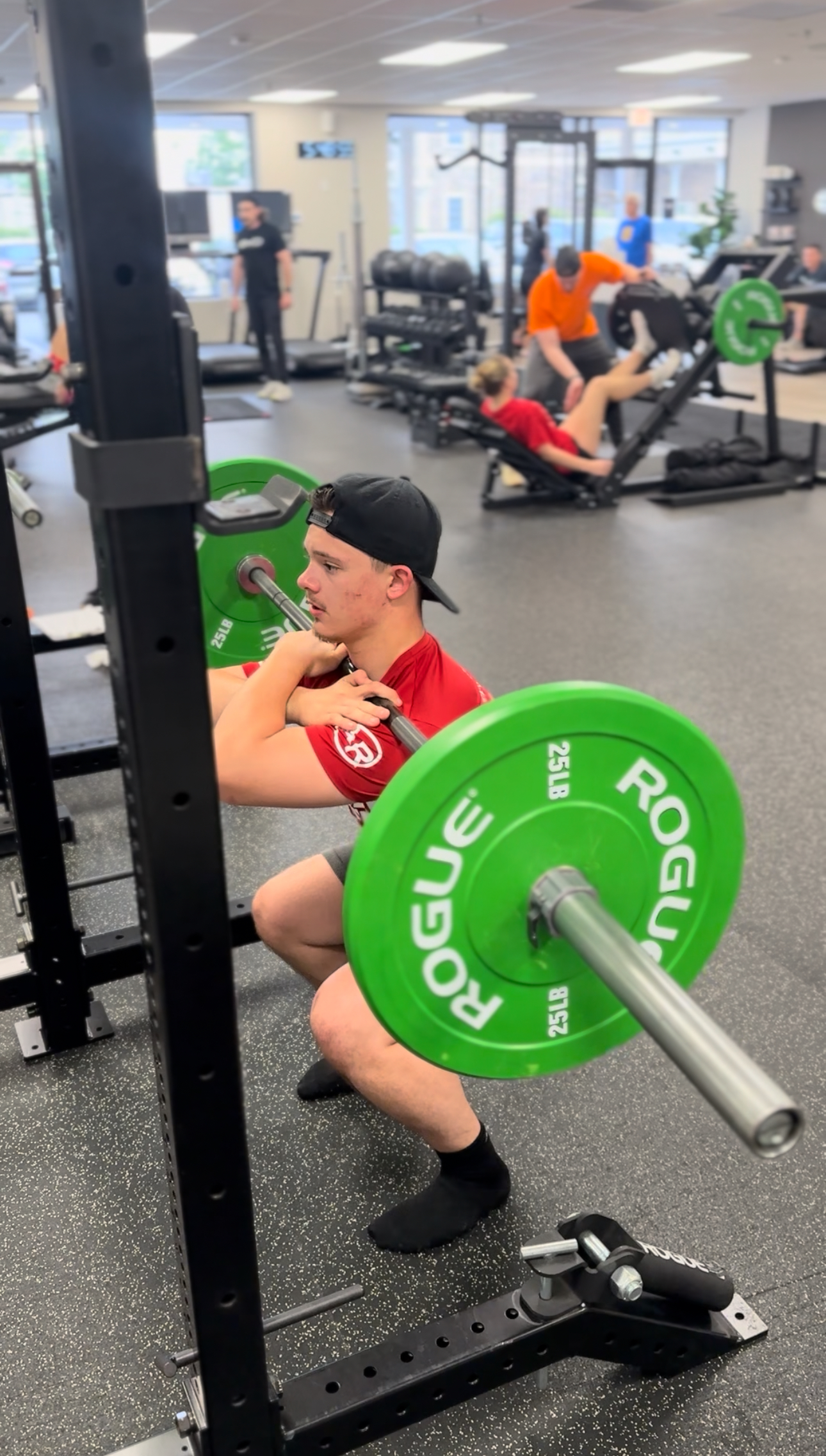
- Strength training: hamstrings, hip musculature, and eccentric capacity are non-negotiable, built in the off-season with progressive overload.
- Monitoring and managing fatigue: tracking training loads, wellness questionnaires, and observing movement quality lets coaches modify training before injury occurs.
- Proper return-to-sport progressions: previously injured athletes should meet stringent criteria — strength, power, movement quality, and psychological readiness — before full participation.
How physical therapy supports prevention
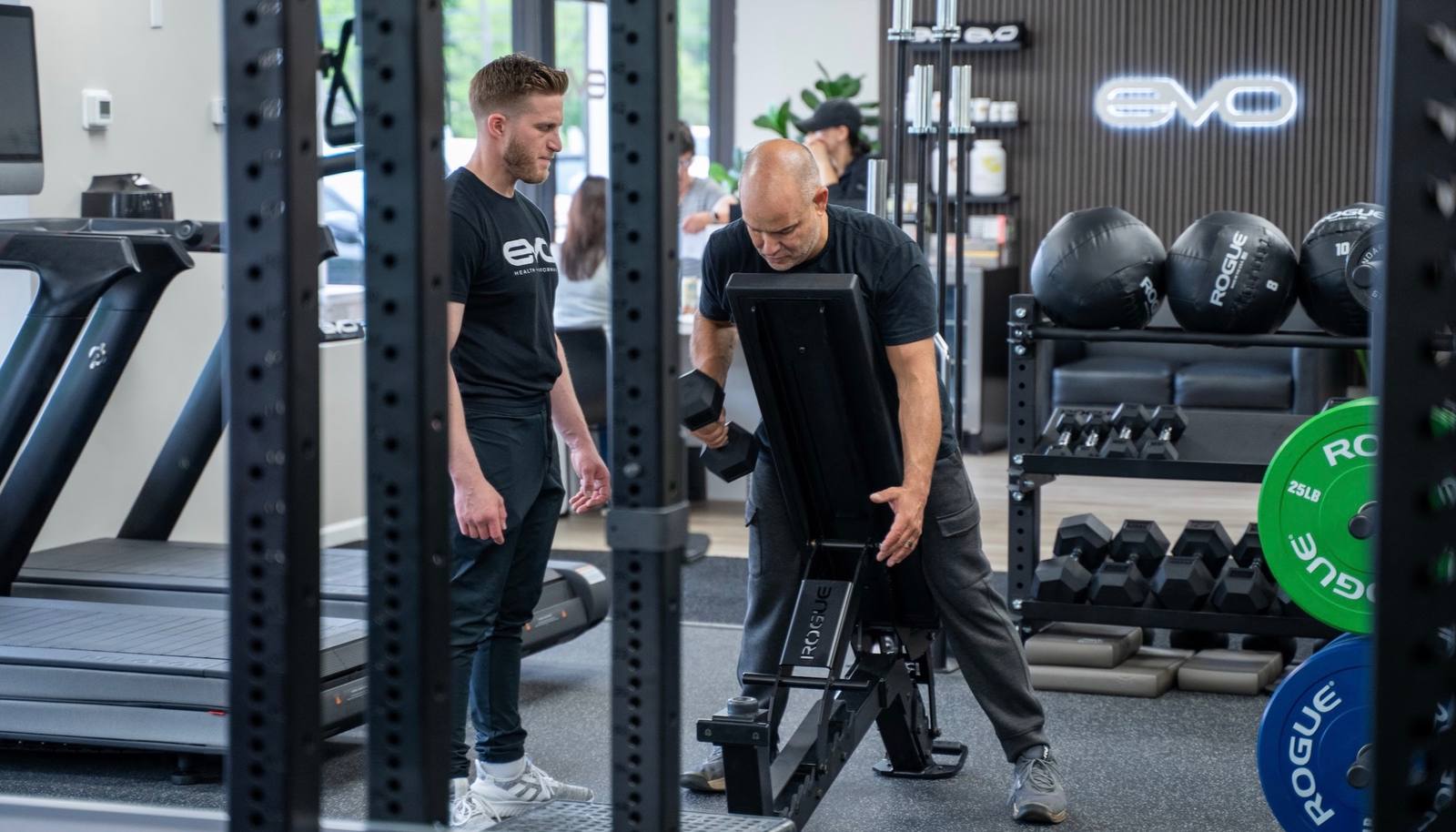
Physical therapists play a vital role in reducing ACL injury risk, both for athletes recovering from previous injuries and those preventing their first. At EVO Health + Performance, our approach to ACL rehab in Freehold, NJ focuses on identifying and addressing individual risk factors before they lead to injury.
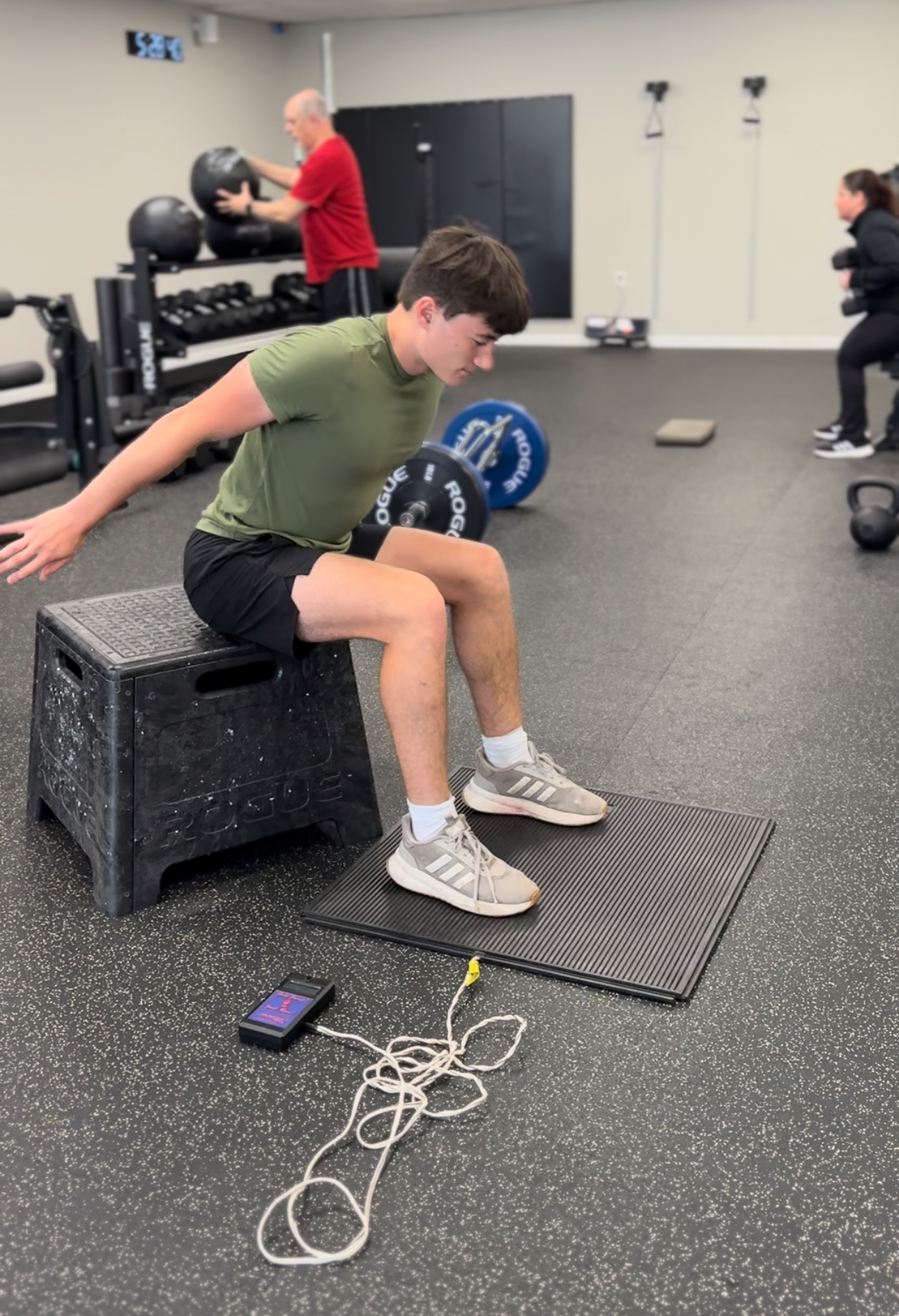
A comprehensive movement assessment identifies problematic patterns — excessive knee valgus, inadequate hip control, poor landing mechanics — and targeted interventions address those specific deficits. Strength testing reveals asymmetries: hamstring-to-quadriceps ratios, hip strength, eccentric capacity. Correcting these deficiencies before preseason significantly reduces injury likelihood.
Education matters as much as exercise. Athletes who understand why certain movements are risky — and how to perform them safely — become active participants in their own prevention. And for athletes coming off ACL reconstruction or other lower-extremity injuries, our Freehold physical therapists ensure return-to-sport decisions are based on objective readiness, not just time since surgery.
A preseason movement assessment and strength baseline can catch the vulnerabilities this article describes — before training camp finds them for you.
Book a Free Discovery Call →Taking action before preseason
The pattern of preseason ACL injuries isn’t inevitable. The most effective approach begins well before preseason starts, with off-season training that maintains conditioning, builds strength, and preserves neuromuscular control.
If you’re preparing for a season, consider a movement assessment and baseline strength evaluation now, before intensity ramps up. If you’ve previously suffered an ACL or lower-extremity injury, ensuring complete recovery and restored movement patterns is even more critical.
The decisions you make now — about off-season training, strength development, and movement quality — determine how your body responds when demands increase. Take control of your injury risk today, and give yourself the foundation to thrive through preseason and the whole competitive season.