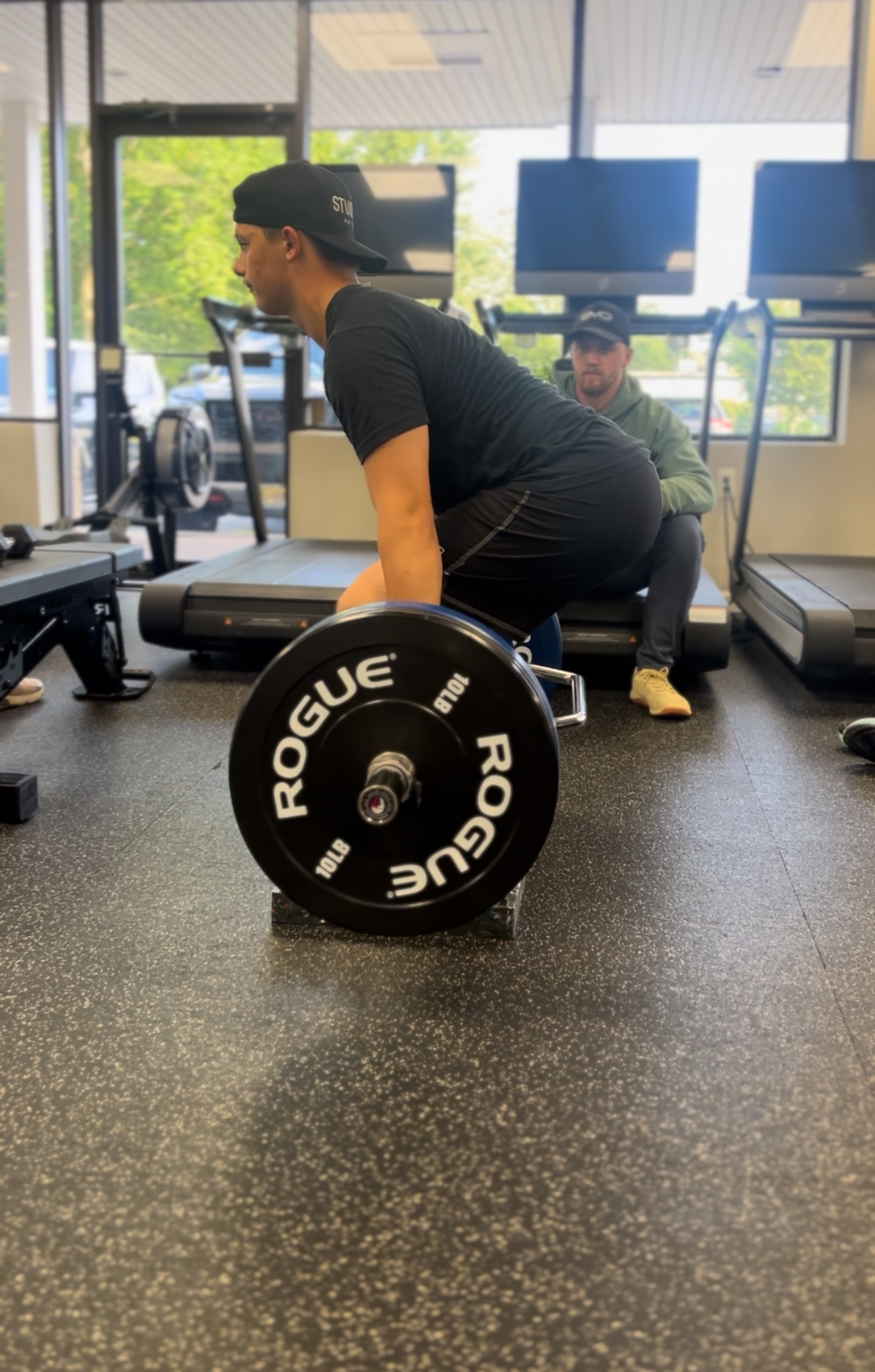
As one sports season ends and another begins, athletes face a new set of physical demands. This transition period, while exciting, brings a heightened risk for certain injuries — particularly to the anterior cruciate ligament (ACL). An ACL tear can be a season-ending, and sometimes career-altering, event. Understanding how to protect yourself is crucial for staying healthy and performing at your best year-round.
This guide explains why the transition between sports seasons is a vulnerable time for your knees, covers the specific risk factors involved, and lays out a step-by-step program to help you build resilience. Whether you’re a multi-sport athlete or an active individual, these strategies will help you stay on the field, court, or track.
- Transitioning between sports seasons increases ACL injury risk due to changes in movement patterns, muscle use, and fatigue.
- A dedicated prevention program focusing on strength, plyometrics, and neuromuscular control is essential for reducing injury rates.
- Proper rest, recovery, and listening to your body are just as important as physical training for long-term athletic health.
Why are athletes vulnerable between seasons?
The shift from one sport to another introduces a variety of new stresses on the body. An athlete moving from a linear sport like track to a multi-directional sport like soccer or basketball is a perfect example: the muscles and movement patterns finely tuned for sprinting in a straight line are suddenly challenged with cutting, pivoting, and jumping.
- Altered biomechanics: each sport has its own set of movements. When you switch, your body must adapt to new ways of accelerating, decelerating, and changing direction. If your neuromuscular system isn’t prepared, you might land from a jump with poor alignment or pivot with excessive force on the knee, placing the ACL under significant strain.
- Muscle imbalances: training for one sport can strengthen certain muscle groups more than others. A soccer player may have powerful quadriceps — but if the hamstrings and glutes are comparatively weak, that imbalance can pull the shinbone forward and stress the ACL. The transition period is the ideal time to fix imbalances before they lead to injury.
- Accumulated fatigue: with little or no break between seasons, your body never fully recovers. Starting a new season already fatigued compromises muscle function, reaction time, and coordination, making you more susceptible to landing awkwardly or losing control during a pivot.
Building a bulletproof ACL prevention program
A proactive approach is the best defense against ACL injuries. A structured training program during your off-season or transition period can significantly lower your risk. A successful program should be consistent, progressive, and focused on quality of movement over quantity. A Freehold physical therapist can design a personalized program, but here are the foundational components you can start implementing today.
1. Dynamic warm-up
Never start a training session cold. A dynamic warm-up increases blood flow, activates the nervous system, and prepares your body for intense activity. Spend 10–15 minutes on movements that mimic what you’re about to do: high knees, butt kicks, leg swings (forward and side-to-side), walking lunges with a twist, and light jogging.
2. Strengthening exercises
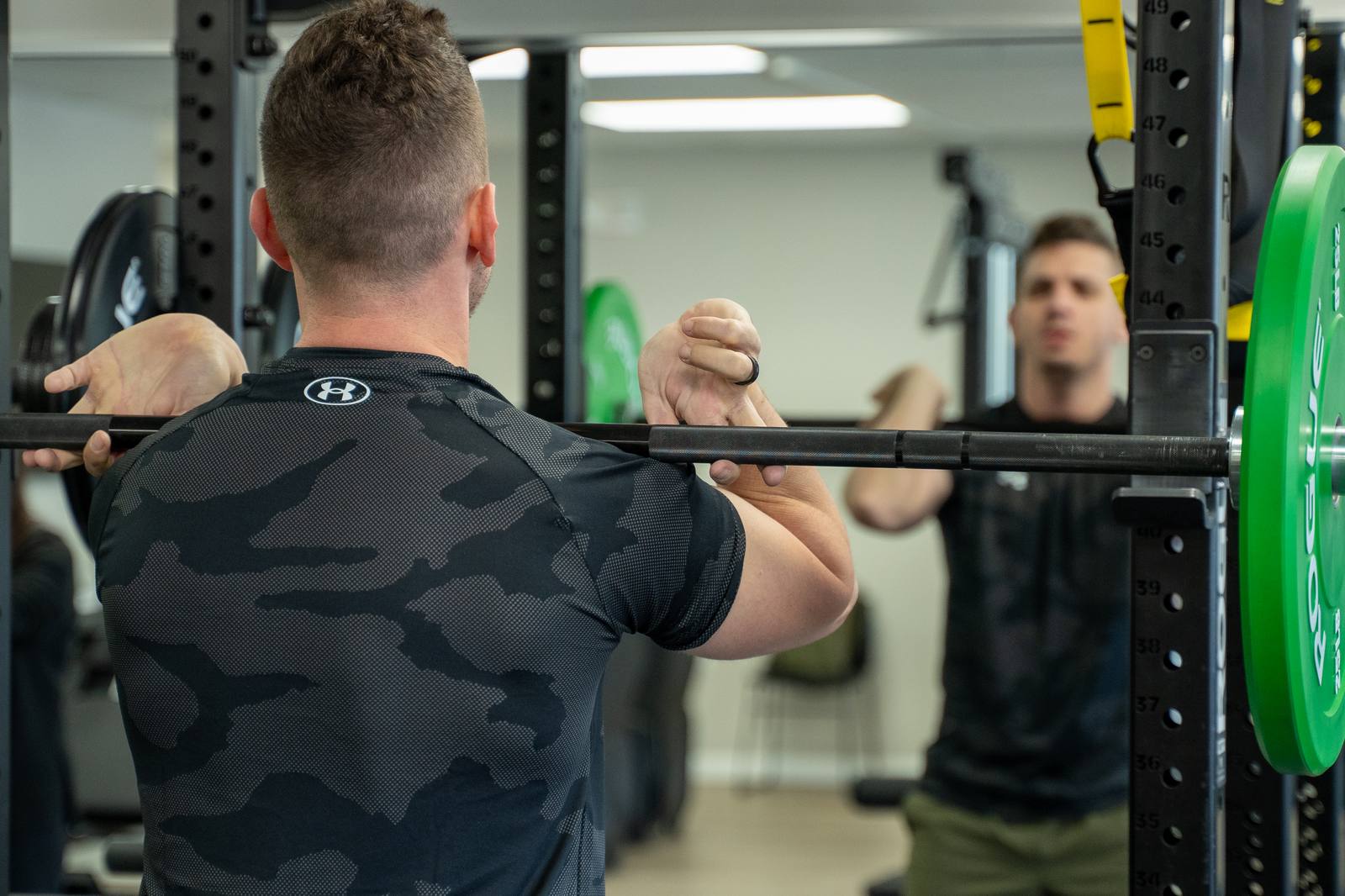
A strong lower body acts as armor for your knee joints. Your program should cover the entire kinetic chain, from your glutes and hips down to your calves.
- Glutes and hamstrings control the knee and prevent it from collapsing inward (valgus collapse). Try glute bridges, hamstring curls on a stability ball, Romanian deadlifts, and good mornings.
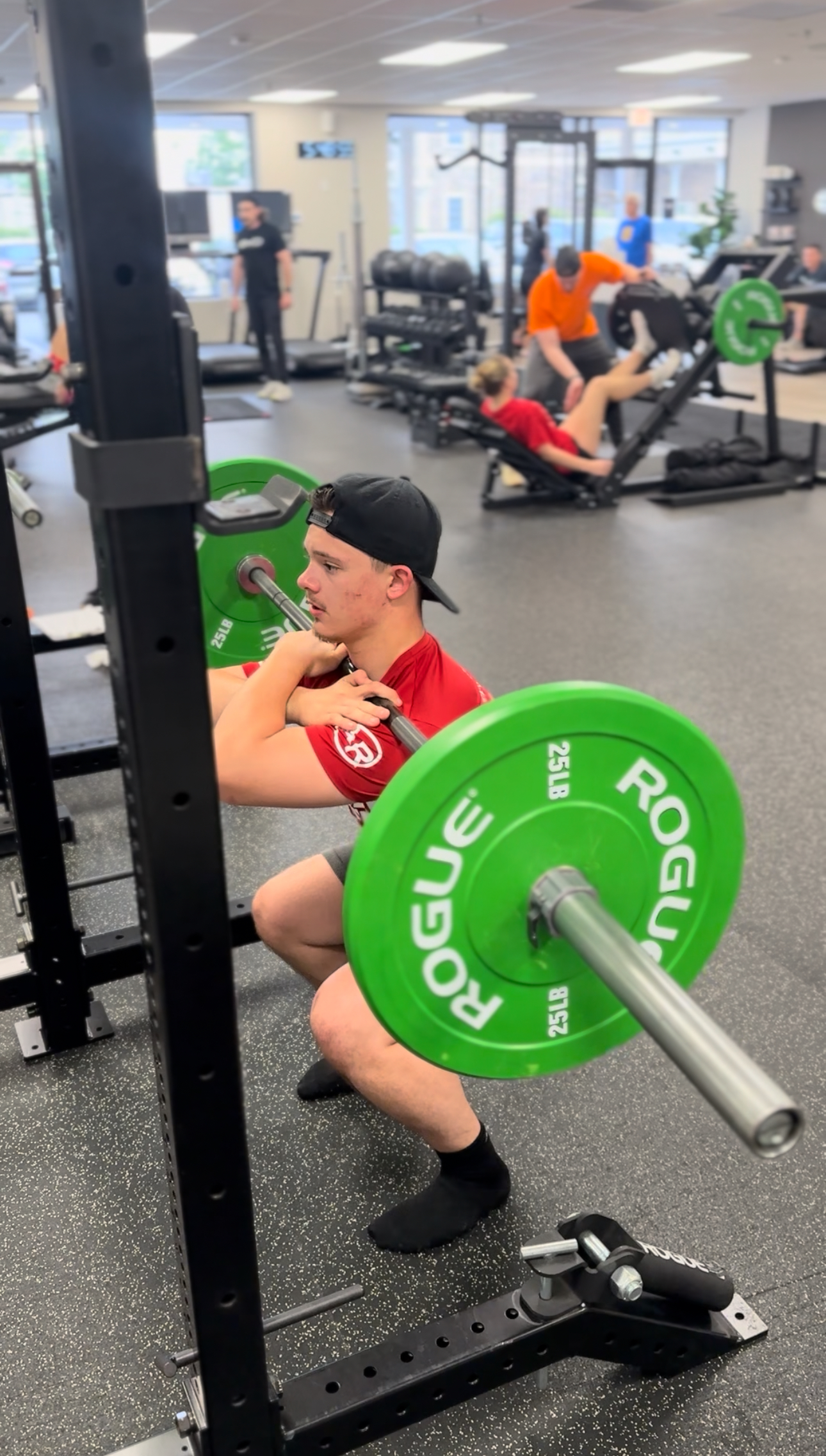
- Quadriceps stabilize the kneecap and absorb shock. Squats, lunges, and leg presses — with perfect form, knees tracking over feet.
- Core provides a stable base for all limb movement. Planks, side planks, bird-dog, and dead bugs.
3. Plyometrics (jump training)
Plyometrics train your muscles to produce force quickly and — more importantly — to absorb force safely. This is critical for improving landing mechanics, which is when many non-contact ACL injuries occur. Focus on form: land softly, like a cat, knees bent and aligned over your feet, never caving inward.
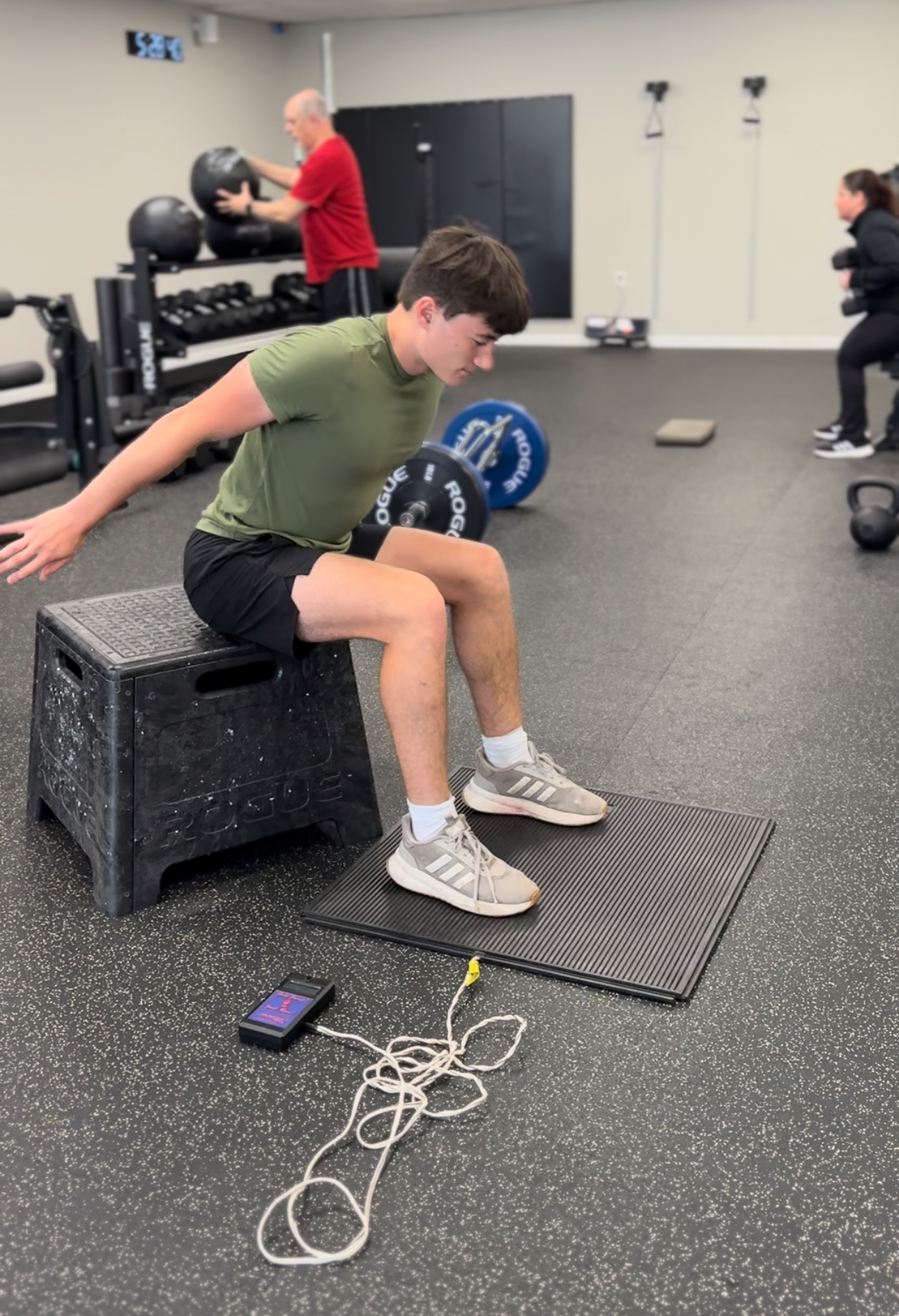
- Phase 1 (basic): box jumps with a focus on the landing; two-footed hops in place.
- Phase 2 (intermediate): broad jumps and single-leg hops.
- Phase 3 (advanced): bounding, drop jumps, and multi-directional jumps like zig-zag hops.
4. Agility and cutting drills
Since many ACL injuries happen during rapid changes of direction, train your body to perform these movements safely and efficiently.
- T-drill: set up cones in a “T” shape — sprint forward, shuffle sideways, then sprint back.
- 4-cone box drill: arrange four cones in a square and move between them mixing sprints, shuffles, and backpedaling.
- Cutting drills: practice planting your outside foot and pushing off to change direction at 45 and 90 degrees. Lower your center of gravity and keep the knee aligned.
5. Cool-down and flexibility
Don’t skip the cool-down. It helps your body transition back to a resting state and can improve flexibility. Hold static stretches for 30 seconds each, covering the major muscle groups you worked: quadriceps, hamstrings, glutes, hip flexors, and calves.
A movement screening takes about an hour and shows exactly where your risk factors live — so the plan for your next season is built on you, not a template.
Book a Free Discovery Call →Get expert guidance in Freehold, NJ
While this guide provides a solid framework, every athlete is unique — a one-size-fits-all program may not address your specific weaknesses or movement patterns. At EVO Health + Performance, our team specializes in injury prevention and sports performance. If you’re looking for guidance on ACL rehab in Freehold, NJ, or want a personalized plan to prepare you for your next season, a Freehold physical therapist can conduct a thorough movement screening, identify your individual risk factors, and create a tailored program that builds strength, improves mechanics, and gives you the confidence to compete at your highest level.
Don’t wait for an injury to happen. Take control of your health and performance today.